
Hidden Gems in Southern Italy That Still Feel Real
Skip fake-secret hotspots and find the Southern Italy spots with real energy, better food, fewer crowds, and actual local life.
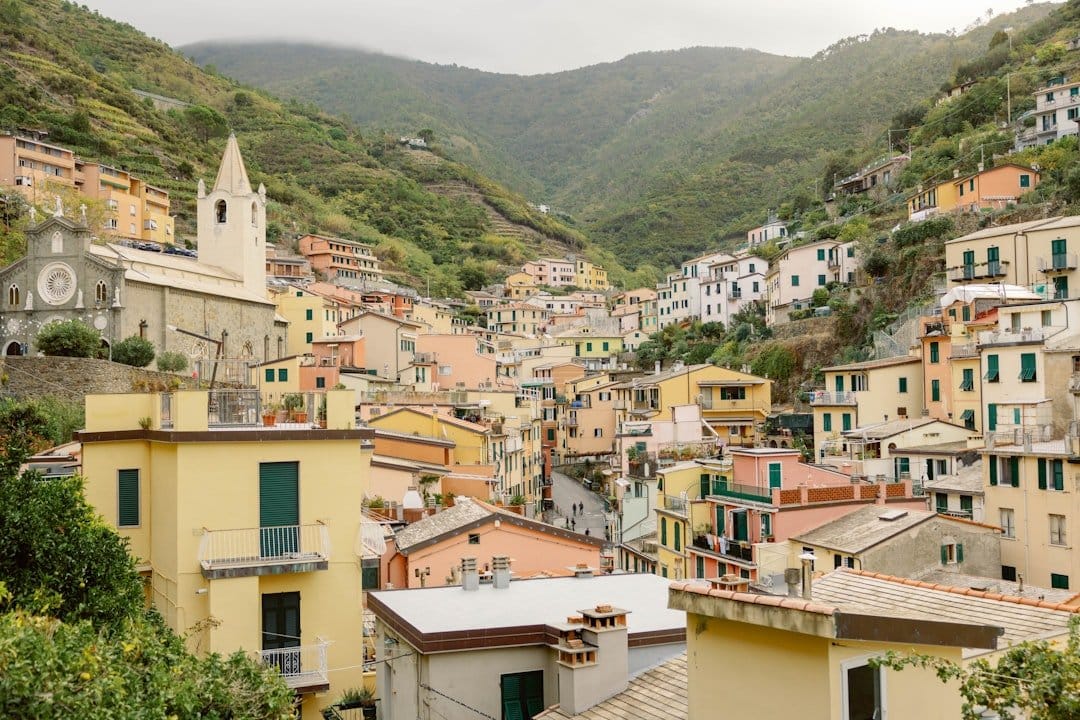
Every summer, someone asks me for the best hidden gems in Southern Italy, and every summer I have to resist becoming insufferable for at least thirty seconds. Because the second a place gets called a “secret” in English, it’s already one Reel away from a beige beach club charging €24 for a spritz and spelling ciao bella in a font that should be illegal.
What people actually mean is simpler. They want somewhere beautiful that still feels alive. Somewhere you can eat well, swim well, and not spend the whole day dodging tripod legs and honeymoon content. They want Southern Italy before it gets turned into a mood board for people who own too much linen.
Fair. I want that too.
And the good news is: it still exists. Not hidden, exactly. Just less flattened. Less eager to please. Less interested in becoming a backdrop for somebody else’s personality.
That’s the bar for me. Not “undiscovered.” Still real.
I’m talking about places where old men are already arguing outside the bar at 7 a.m. Places where lunch quietly mutates into a four-hour situation. Places where the waiter is a little rude, but in a reassuring way, like yes, thank God, we are still in Italy. Places where your trip feels like a trip, not a casting call for “couple escapes in Europe.”
A friend asked me in Brooklyn last month if Puglia was “still undiscovered,” and I almost inhaled an ice cube. Puglia has been discovered, my guy. By editors. By wedding planners. By every stylish couple with matching sandals. That doesn’t mean it’s over. It just means you need better standards than “I saw it on TikTok before my cousin did.”
So this is my version of a guide to the best hidden gems in Southern Italy: not fake-secret villages with one photogenic door, but places that still have pulse. Cilento over Amalfi. Paestum if you care about history more than hype. Calabria before the internet fully gets there. And Puglia, yes, but only if you can experience a popular place without acting like you personally discovered olive oil.
Stop Looking for Secret Italy
“Hidden gem” has become one of those travel phrases that means basically nothing. Like “authentic,” “curated,” or “elevated” on a restaurant menu. If a place is being aggressively sold to you as one of the best hidden gems in Southern Italy, I promise a social media manager has already made a deck about it.
My filter is not complicated. I want places where locals still outnumber content creators. Where the food tastes specific to that place, not vaguely “Mediterranean.” Where the beauty feels lived-in, not staged. I don’t need zero tourists. I just need fewer tourists behaving like they’re on a scavenger hunt for lemon wallpaper.
I learned this the annoying way, obviously. A few years ago I got obsessed with finding somewhere “nobody knew” in southern Europe, booked three nights there, and by day two I was eating a bad panino in complete emotional silence. Gorgeous views. Dead energy. A cinematic mistake.
That cured me.
Now I look for a better sweet spot: places that are alive first and attractive second. In Southern Italy, if you choose well, you usually get both.
Hidden Gems in Southern Italy: Start With Cilento
If someone tells me they want dramatic coastline, beautiful beaches, great food, and a slower rhythm, I do not send them to Amalfi unless they specifically enjoy traffic, logistics, and low-level psychological warfare. I send them to Cilento.
This is the part of Southern Italy that makes me feel sane again. The coast is gorgeous. The beaches are actually enjoyable. The towns still feel like towns. In places like Santa Maria di Castellabate or Marina di Camerota, I get the sense that life is happening whether or not I’m there, which is weirdly rare now.
That matters more than people think.
Amalfi is beautiful. I’m Italian, not a contrarian intern, so I’m not going to pretend otherwise. But beauty starts to lose some magic when every nice view comes with crowd choreography and a reservation strategy. Cilento has space. Air. You can swim, eat a plate of alici, have a lazy coffee, drive inland, and remember that Southern Italy is not just cliffs and expensive terraces with neutral cushions.
Also, and this is important, Cilento is not “budget Amalfi.” I hate that label. It assumes Amalfi is the standard and everything else is some discount remix. No grazie. Cilento is not the cheaper version of something better. It’s the better version if what you want is actual Southern Italy and not the status game of saying you did the Amalfi Coast in peak season.
My nonna would probably accuse me of romanticizing peasant rhythms, and honestly she wouldn’t be wrong. But rough edges are part of the appeal. Cilento doesn’t feel edited for international approval. It still feels like itself.
That’s the whole point.
Paestum Is the Flex If You Actually Care About Italy
Paestum makes me irrationally happy because it exposes how many people travel on autopilot.
They’ll do Pompeii, Positano, Capri, maybe Sorrento if they’re feeling adventurous, and then act like they’ve unlocked Southern Italy. Meanwhile Paestum is sitting there with these absurdly beautiful Greek temples, looking majestic and unbothered, while half the internet sprints past it on the way to somewhere more branded.
Wild behavior.
The first time I went as an adult, I had one of those rare travel moments where my brain actually shut up for a second. The temples are massive and elegant and weirdly calming. And because Paestum still has breathing room, you can stand there long enough to feel the scale of it. You’re not being shuffled through history like you’re late for a connecting flight at Fiumicino.
History hits different when you’re not in crowd combat.
That’s why I always push Paestum higher on any list of the best hidden gems in Southern Italy. Not because nobody knows it exists. Because too many people still treat it like a side quest instead of a destination. It deserves better.
And the area around it helps. You can do culture and coast without turning your trip into a checklist marathon. You can spend the morning with temples, eat obscenely well, head toward the sea, and still feel like a human being by dinner. Radical concept, I know.
If your idea of travel is just collecting the most famous names possible, Paestum may not impress you. If you actually like Italy — the scale of it, the layers, the fact that it can still surprise you when you stop speed-running it — Paestum is elite.
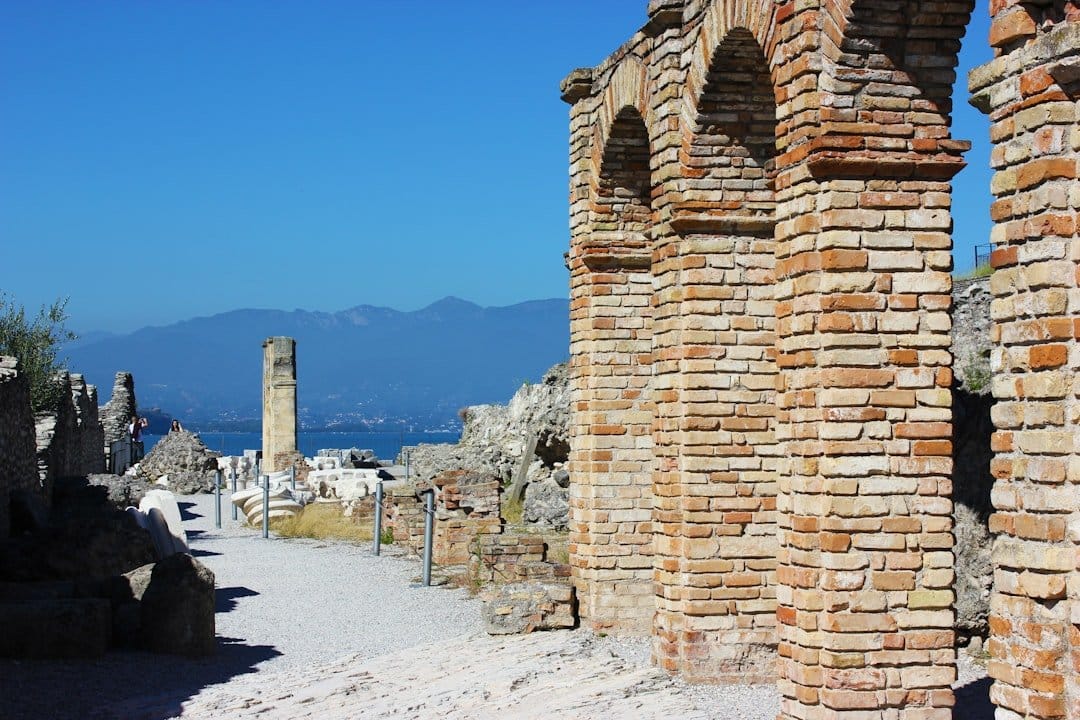
Calabria Is Still Playing Hard to Get
Calabria has a branding problem, which is excellent news for people with taste.
A lot of travelers skip it because it doesn’t have the polished mythology of Tuscany or the instant recognizability of Amalfi. Fine. More room for the rest of us. Calabria still has that rare thing in Italy: the feeling that you’ve arrived somewhere that hasn’t been fully sandblasted into a luxury product.
And yes, I know people love to throw around the word “authentic” until it means absolutely nothing. But Calabria really does force you to engage with the place as it is, not as it’s been packaged for export. Menus aren’t trying to flatter you. Towns can feel stubborn in the best way. The food has bite. The wine has personality. Nobody is begging to be aesthetically consumed.
That is not a bug. That is the feature.
I’m especially bullish on the Cirò area. The wine there is serious, rooted, and still somehow under-discussed outside the usual wine-nerd circles. Which means the clock is ticking, obviously. The second too many glossy magazines start describing Calabria as “the next Puglia,” I’m going to become deeply annoying about it. I already hate that phrase on principle. Calabria does not need to become legible to London or New York to justify itself.
One of my favorite meals in Italy happened there almost by accident. Tiny place. Plastic chairs outside. No polished website, no moody branding, no chef explaining his childhood through foam. Just swordfish, peperoncino, tomatoes that tasted illegal, and a bottle of local wine brought over by a man with the confidence of someone who would never use the word “minerality” because he has actual things to do.
I still think about that dinner more than half the Michelin-starred meals I’ve overpaid for.
Calabria also makes me feel like a better traveler, which is slightly annoying but true. I can’t just coast on aesthetics there. I have to pay attention. Ask questions. Slow down. Meet the place halfway. It doesn’t perform for me, so I actually have to show up.
That’s why I love it.
Puglia Is Not a Secret. Relax.
Let me save us all some time: Puglia is not hidden. Calling it one of the best hidden gems in Southern Italy in 2025 is delusional. It’s on wedding mood boards, boutique hotel lists, and at least six of your friends’ “should I move to Italy?” Pinterest boards right now.
But the backlash to Puglia is just as lazy as the hype.
A place getting popular doesn’t automatically make it bad. Sometimes a place is famous because it’s genuinely excellent. Crazy concept, I know. The problem with Puglia is not Puglia. The problem is people trying to consume it like a speedrun.
If your plan is Alberobello, trulli photos, Polignano a Mare, complain about crowds, leave — congratulations, you built yourself a shallow trip. That’s on you. If instead you slow down, pick fewer towns, go in shoulder season, and commit to eating like a civilized person, Puglia still has a lot to give.
I like it most in smaller rhythms. Long lunches in inland towns. Seafood in Monopoli. A lazy evening in Ostuni after the day-trippers disappear. Driving around without trying to optimize every hour like you’re running fulfillment for Amazon. Southern Italy is not a productivity app.
And I have zero patience for the kind of traveler who rejects a place just because other people like it. That’s not discernment. That’s insecurity with a carry-on.
Puglia still works if you know how to be there. That’s the real distinction. Not whether you’ve found somewhere nobody’s heard of, but whether you can experience a place without turning it into a personal branding exercise.
Honestly, that’s a life skill.
So What’s the Real Flex?
The real flex in Southern Italy is not finding a place nobody knows. It’s choosing places that still have texture, friction, and actual life — and then having the decency to experience them like a person.
I think the next few years are going to push places like Cilento and Calabria much harder into the aspirational-travel machine. The internet will keep doing what it does: flatten nuance, recycle the phrase hidden gems in Southern Italy, and turn every good thing into a template. Sad. Predictable. Very on brand for the era.
So yes, go now.
But more importantly, go well. Stay longer. Eat the long lunch. Learn the rhythm of the town. Don’t treat every piazza like a set and every old man like background texture for your vacation montage. Southern Italy does not owe you a performance.
If you want somewhere to perform your life, there are plenty of places for that.
If you want somewhere that still has one of its own, go south before everyone starts pretending they invented it.