
Seasonal Italian Cooking Starts With Waiting
The real secret to Italian food is timing, not trends. Learn why seasonal Italian cooking makes meals simpler, smarter, and better.
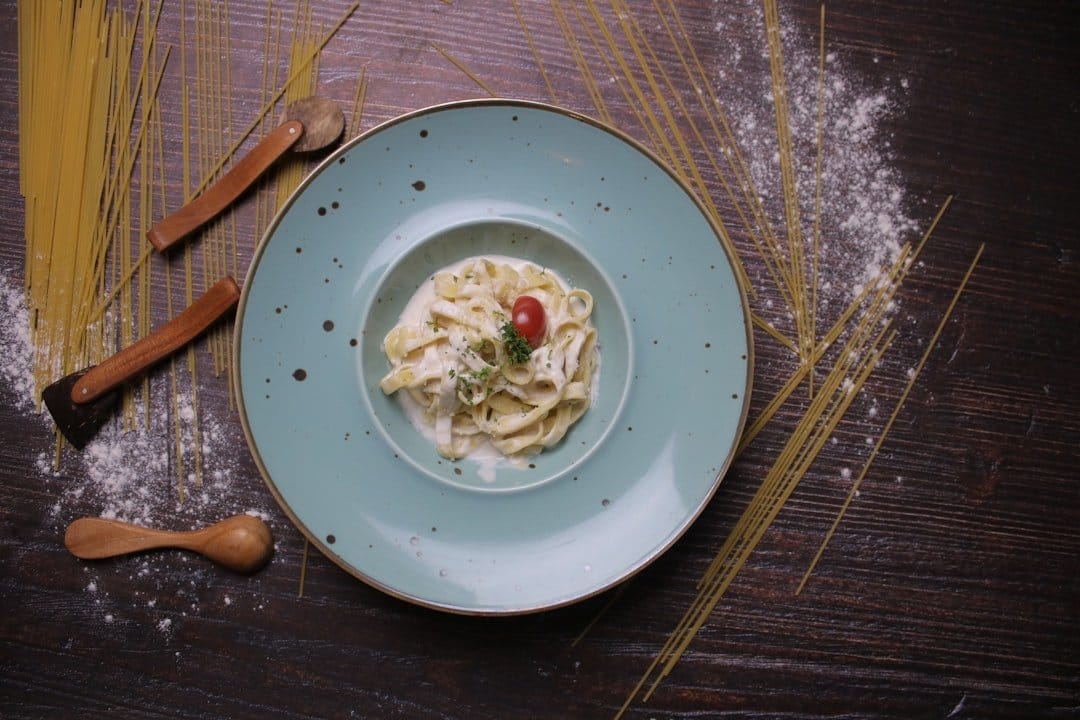
I can always tell when someone learned Italian cooking from Instagram because they want tomatoes, burrata, and basil 365 days a year, like the earth signed a brand deal and promised soft lighting on demand. Meanwhile, the most Italian instinct I grew up with was much less sexy: if it’s not in season, leave it alone.
That’s basically my whole philosophy of seasonal Italian cooking. I didn’t grow up thinking it was noble or sacred or whatever gets printed on menus in Brooklyn next to “market vegetables” and a $19 glass of orange wine. I grew up thinking January tomatoes were embarrassing.
And yes, I know. Aggressive.
But if you’ve ever bitten into a pale supermarket tomato in February and then tried to save it with flaky salt, burrata, and pure delusion, you know I’m right.
Seasonal Italian Cooking Is About Restraint, Not Romance
Let’s kill the myth first. Italy did not descend from the heavens with a divine understanding of produce. People cooked seasonally because that’s what existed, what was cheap, and what actually tasted good. The romance came later, usually after somebody turned peasant logic into a tasting menu.
That’s the thing people miss about seasonal Italian cooking: it’s practical before it’s poetic. In America, “farm-to-table” became an identity. In Italy, a lot of the time it was just, “Why would I buy bad zucchini in December when there’s chicory right there?”
That’s still the real flex in Italian cooking, if you ask me. Restraint. Not abundance. Not proving you can source the perfect pistachio from Sicily and olive oil from your friend’s uncle outside Lucca. Restraint. Knowing when not to make something is half the skill.
Spring gives you artichokes, peas, fava beans, asparagus. Summer is tomatoes, basil, zucchini flowers, eggplant, peaches. Autumn belongs to porcini, chestnuts, pumpkin, radicchio. Winter is citrus, cauliflower, cabbage, chicory. You don’t need a philosophy degree. You need eyes.
And yes, there’s data behind the vibes. Italy is one of the world’s biggest producers of artichokes, which explains why Roman cooking is basically artichoke fan fiction. The Mediterranean diet got UNESCO heritage status not because Italians are magical, but because it’s built around grains, legumes, olive oil, vegetables, and seasonal variety. Not year-round tomato cosplay.
I think Americans hear “Mediterranean diet” and picture an eternal table of glowing produce in perfect sunlight. The reality is much less cinematic. It’s beans. Bitter greens. Bread. Citrus in winter. Zucchini in summer. Repetition, but the good kind.
Last winter in New York I saw a caprese salad on a menu for $24. In February. Ventiquattro dollars for mozzarella and tomatoes that tasted like a printer. That’s the whole problem right there: we’ve confused availability with desirability.
The Italian Grandma Myth Is Cute. The Real Secret Is the Market
I love a nonna story as much as anybody. I’m Italian. It’s legally required. But the internet has turned the Italian grandmother into this mystical kitchen oracle, like she’s in the back whispering ancient truths into the ragù.
My nonna would probably throw a wooden spoon at me for saying this, but the real magic often happened before the stove. At the market. In the choosing.
That was the lesson I actually grew up with. Not “stir exactly 47 times” or “use the pan blessed by your ancestors.” It was: what looks good today, what doesn’t, and what should be left alone. If the peas were sweet, you bought peas. If the artichokes looked tired, you moved on. End of story.
That’s why so many Italian dishes are basically seasonal snapshots. Risotto agli asparagi in spring. Pasta e piselli when peas are good. Carciofi alla romana when artichokes peak. Caponata in late summer, when eggplant actually tastes like itself. Ribollita when it’s cold and stale bread, beans, and winter vegetables suddenly feel like emotional support.
The market teaches humility, which is annoying but useful. You stop trying to impose your cravings on the universe. You respond to what’s there. Spring says fava beans, peas, asparagus, artichokes. Summer says tomatoes, zucchini, basil, peaches, eggplant. Fall says mushrooms, chestnuts, pumpkin, radicchio. Winter says chicory, cabbage, citrus, cauliflower. The menu writes itself if you let it.
I learned this the hard way when I moved to the U.S. and thought year-round access to everything was some kind of culinary superpower. It wasn’t. It made me a worse cook. Too many choices. Too many mediocre ingredients pretending to be neutral. I’d stand in Whole Foods staring at asparagus in November like an idiot with a debit card and no inner compass.
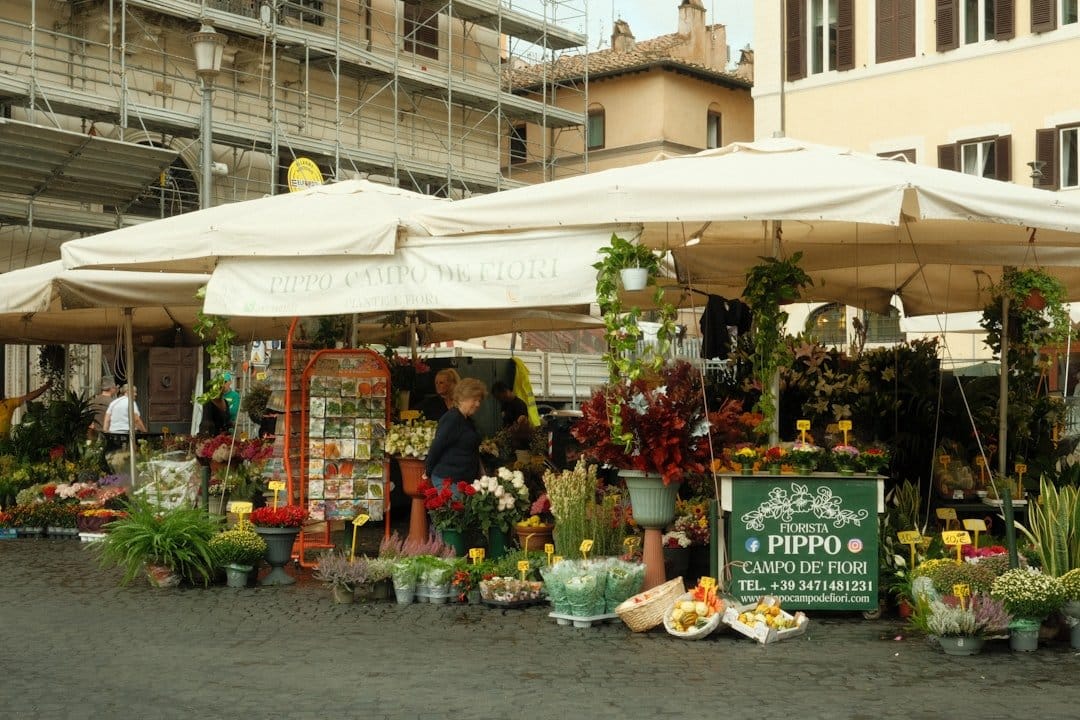
A few years ago in Milan, I watched an older woman at a neighborhood market reject a box of tomatoes with the kind of contempt usually reserved for corrupt politicians. She didn’t need a recipe. She needed one look.
That’s the energy I trust.
Seasonal Cooking Makes You Better Because It Removes Dumb Choices
This is my strongest opinion on the subject: constraints are not the problem. They’re the hack.
One reason seasonal Italian cooking works so well is that it saves you from your own nonsense. You stop trying to make every dish in every month. You stop asking a tomato to be a tomato in January or a peach to matter in March. You accept reality, which sounds rude, but tastes incredible.
Modern life is basically one long exercise in decision fatigue. Open any food delivery app and tell me I’m wrong. Seasonal cooking quietly fixes that. If it’s summer and the tomatoes are great, lunch can be tomatoes, olive oil, salt, maybe bread. Done. If it’s winter and all you’ve got is bitter greens, then you braise them with garlic, chili, and time. The season tells you the technique.
That’s the underrated part. Peak-season produce needs less intervention. A real summer tomato is almost offensively complete. A winter cauliflower can handle roasting, anchovies, breadcrumbs, and still feel balanced. The ingredient tells you how much work is required.
And honestly, fewer choices make me calmer. There, I said something vulnerable. For someone who has built companies, moved countries, and spent way too much of his adult life optimizing calendars, boarding groups, and airline status like a complete clown, I find it weirdly comforting when dinner is decided by a pile of good radicchio.
That’s not limitation as punishment. That’s limitation as taste.
The American Version of Italian Food Is Obsessed With Ingredients. The Italian Version Is Obsessed With Timing
Here’s my hot take: Americans often fetishize the wrong part of Italian food. They’ll spend a fortune on imported Parmigiano Reggiano, very serious olive oil, bronze-cut pasta, some DOP label pronounced with deep reverence — and then pair all of it with vegetables that are clearly going through something.
I’m not anti-import. Please. I’m Italian, not insane. I want the good Parmigiano too. But if your produce is wrong for the moment, the whole thing starts to feel like expensive denial.
I’ve lived in enough places — New York, Miami, Lisbon for a bit, plus way too much time in airports — to know that “authentic” means less than people think if the produce is wrong. A winter pasta with broccoli rabe, sausage, garlic, and chili is more Italian in spirit than a caprese salad made with sad supermarket tomatoes in February. I will die on this hill, and I’ll bring pecorino.
Same with fruit. A peach in August needs almost nothing. Maybe yogurt. Maybe you eat it standing at the sink like a civilized person. A peach in March is a scam.
A lot of beloved Italian dishes are regional for a very simple reason: they evolved around what actually grew locally and seasonally. Sicily has one rhythm. Emilia-Romagna has another. Lazio, Puglia, Piemonte — all different. The authenticity is in that relationship to time and place, not in blindly reproducing a dish outside its natural season because TikTok said so.
That’s where a lot of “Italian food” abroad goes off the rails. It performs authenticity through labels, accents, and imported packaging while ignoring the one variable that changes flavor the most: timing. The ingredient list can be perfect on paper and still completely miss the point.
Because timing is the ingredient.
If You Want to Cook Like an Italian, Stop Starting With Recipes
If you want to cook more like an Italian, I’m begging you: stop starting with recipes. Start with the season, then decide what to make.
That’s how I actually cook most of the time. I look for one or two ingredients that are peaking, pick a technique that suits the weather, and keep the rest of the plate quiet. Not boring. Quiet. Big difference.
Spring? Peas, pecorino, mint. Maybe pasta, maybe a frittata, maybe just warm peas with olive oil and torn bread. Summer? Tomatoes, bread, olive oil. Add basil if it’s good. Add mozzarella if you want. But don’t overengineer something that is already doing its job.
Fall is mushrooms and polenta territory. Pumpkin with sage. Radicchio with gorgonzola if you’re feeling dramatic. Winter is beans, greens, garlic, chili, slow soups, baked pasta, food that fogs up the kitchen windows a little.
That’s the beauty of seasonal Italian cooking. It makes dinner easier, not harder. You don’t need twelve ingredients and a heroic backstory. You need one or two things at their best, plus enough self-control not to ruin them.
Some of the most iconic Italian dishes are simple for exactly this reason. Pasta al pomodoro isn’t hiding behind complexity. Pasta e fagioli isn’t trying to distract you with technique. These dishes work because the ingredients do the heavy lifting and the cook has the good sense not to interrupt.
I know recipes are comforting. I use them too. I’m not above being told what to do, especially on a random Tuesday when my brain is fried and I’ve already made 400 decisions I didn’t want to make. But recipes should confirm what the season is already suggesting, not override it.
So if it’s spring, think in spring. If it’s winter, let winter win. Make food that matches the air outside. It sounds embarrassingly obvious, and yet most people don’t do it because we’ve been trained to believe every craving deserves immediate fulfillment.
That expectation is the problem.
So here’s my challenge: this week, don’t start with a saved recipe, a TikTok, or some fantasy version of what you feel like eating. Walk into a market. See what looks alive. Change your plans.
That’s the most Italian move I know.
Not homemade pasta. Not a perfect cacio e pepe. Not buying the expensive olive oil with the label you can’t stop staring at.
Just paying attention long enough to let the season boss you around a little.
Because the tomatoes still know what month it is.