
Seasonal Italian Cooking Means Letting the Season Lead
Why seasonal Italian cooking is less about rules and more about paying attention to produce, texture, mood, and what actually tastes good now.
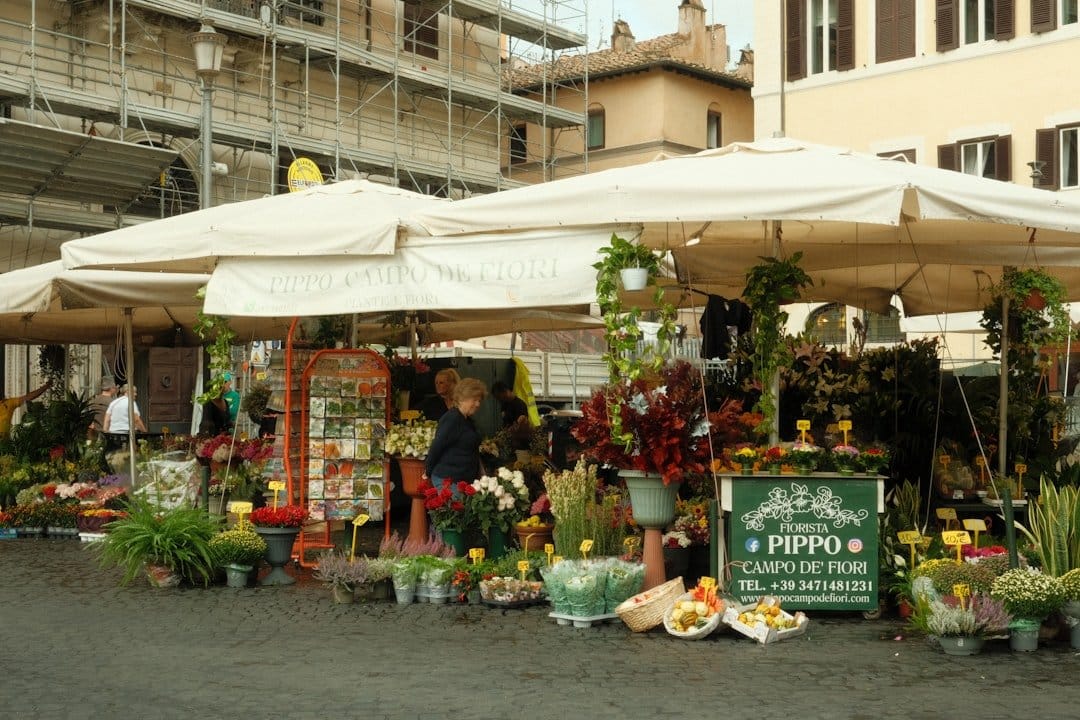
I’ve had more disappointing tomatoes in America than failed startup ideas, and honestly the tomatoes hurt more.
The moment I realized how weirdly un-Italian a lot of “Italian food” here feels wasn’t at some red-sauce chain with garlic knots the size of toddler fists. It was in a gorgeous Brooklyn kitchen. Expensive olive oil. Good bronze-cut pasta. A cook who clearly cared. And then, on the counter, a pile of sad January tomatoes being bullied into a meal like nobody wanted to admit the earth has a calendar.
That’s the thing people miss about seasonal Italian cooking. It’s not some precious farm-to-table performance for people who own ceramic cruets and say “market greens” like they’re auditioning for a lifestyle magazine. It’s basic common sense. You do not ask zucchini in March to be August zucchini. You do not force a caprese in February because the colors look cute on Instagram.
My nonna would never have called it “cooking with the seasons.” She would have called it using her eyes.
And I had to relearn that in America. When everything is available all the time, I start acting like I should be able to cook anything whenever I want. Which sounds liberating, but mostly it leads to mediocre produce, confused menus, and a low-grade dinner identity crisis. Choice is great until it makes you dumb.
Seasonal Italian Cooking Existed Before It Became a Personality
This is where people get poetic about terroir and local sourcing and the romance of the market. Va bene. But seasonal Italian cooking did not come from branding. It came from necessity, habit, thrift, and the extremely unsexy fact that if something looked bad, you didn’t buy it.
That instinct is still the core of Italian home cooking. You go to the market — or, more realistically, Trader Joe’s, Eataly, Whole Foods, the random neighborhood store with one perfect crate of fennel and three tragic avocados — and you look for what seems alive. Then you cook that simply. End of philosophy. No manifesto required. No one has ever rescued limp asparagus with “intention.”
Growing up in Italy, there was an unspoken rule: don’t fight the calendar. In spring, food got greener, sharper, a little bitter in a way that wakes you up. Summer was when tomatoes finally earned their ego. Autumn got golden and mushroomy and forgiving. Winter meant beans, brassicas, baked pasta, long-cooked sauces, and food that made sense when the sky looked exhausted.
What still cracks me up is how “seasonal” got repackaged in America like it’s some premium add-on, when really it’s old-school pragmatism with better PR. Bon Appétit did a spring cookbook potluck recently and landed on 15 dishes with one obvious theme: so much salad. Of course. Spring shows up and suddenly everyone wants crunch, herbs, acid, raw things, shaved things, anything that doesn’t feel like it spent four hours in a Dutch oven.
That’s the real shift. The season changes the mood first. The menu follows.
And that’s why I get twitchy when people talk about “authentic” Italian food like it’s frozen in amber. Authentic doesn’t mean fixed. It means responsive. If the artichokes look incredible, you make artichokes. If the tomatoes are mealy and depressing, you leave them alone and nobody dies.
If Your Italian Menu Looks the Same in April and November, We Need to Talk
This is my recurring issue with the American Italian greatest-hits playlist. Vodka sauce, chicken parm, lasagna, repeat. Twelve songs, all bangers. Sure. But if your menu looks identical in spring and late fall, that’s not tradition. That’s a hostage situation.
Real Italian cooking changes weight, color, and texture with the season. Spring should feel greener, brighter, a little twitchy in a good way. More herbs. More peas. More favas. More radishes. More lemon. More bitterness. More things that crunch when you bite them. Winter should feel slower and deeper, with baked edges, braises, beans, long-simmered sauces, and enough starch to heal emotional damage.
I’m not anti-adaptation. Italy adapts constantly. Sicilian cooking doesn’t look like Alto Adige because we are not one giant monoculture in matching aprons. The weird thing in America isn’t adaptation. The weird thing is pretending seasonality doesn’t exist at all.
A recent radish roundup had 23 radish recipes. Twenty-three. That’s not because Big Radish hired a publicist. It’s because once a spring ingredient is actually good, your kitchen should notice. Radishes with olive oil and flaky salt. Radishes shaved into a salad with lemon. Radish greens turned into a pesto-ish situation if you’re feeling frugal and a little smug.
And yes, I’m going to say it: forcing tomato-heavy dishes in cold months misses the point. Can you make them? Obviously. Will canned tomatoes save your life? Absolutely. I keep them around like emergency cash. But chasing peak-summer energy year-round is exactly how you end up with flat meals and that vague feeling that “authentic” Italian food is somehow not delivering.
Spring Italian recipes shouldn’t be winter recipes with one herb sprinkled on top as a legal defense. They should actually shift. More brothy. More glossy. Less leaden. Pasta with peas, pecorino, and black pepper. Favas with shaved cheese and lemon. Puntarelle if you can find it. Arugula. Parsley. Mint, if the dish can handle it.
Authenticity, most of the time, is just confidence in substitution.
That’s not sacrilege. That’s dinner.
The Best Italian Cooks I Know Don’t Worship Recipes
The best Italian cooks I know are not in the kitchen clutching a recipe printout like it’s a legal document. They’re reading the room. What’s in season. What needs to be used up. Who’s coming over. How hungry people are. Whether it’s humid. Whether everyone secretly wants comfort food but is pretending they don’t.
That’s why simple Italian pasta is harder than people think. There’s nowhere to hide. If you only have six or seven ingredients, every tiny decision matters. Onion or shallot. Basil or parsley. Fresh cheese or aged cheese. Crushed tomato or no tomato. Glossy and loose or baked and structured. Tiny shifts. Completely different dish.
I think about this the same way I think about building products. A recipe is like a spec. Useful, necessary even. But if reality changes and you still follow the original plan like a robot, congratulations, you built the wrong thing beautifully.
Take a dead-simple penne with tomato and cream. Pantry stuff. Olive oil, onion, garlic, canned tomatoes, cream, cheese, herbs. Nothing in there is trying to become a personality trait. And the whole point isn’t the ingredient list anyway. It’s the move at the end: finish the almost-done pasta in the sauce with a splash of pasta water so it turns glossy instead of stiff and clumpy. That’s the Italian instinct. Watch what’s happening. Adjust. Stop acting like the recipe is sacred text.
I’ve messed this up, by the way. Last month in Milan I got cocky making a simple tomato pasta in an Airbnb kitchen with one dull knife and a pan that had clearly survived several governments. I reduced the sauce too far, forgot to loosen it properly, and served penne with sauce sitting on top of it like a bad toupee. It tasted fine. Everyone ate it. I still thought about it for two days because simple food puts your mistakes in 4K.
That’s also why seasonal Italian cooking matters so much. You don’t “seasonalize” a pasta by dumping random spring vegetables into it like you’re clearing a level in a cooking game. You keep the structure and change one or two notes. Swap red onion for shallot. Use parsley if the basil looks tragic. Add peas at the end. Finish with lemon zest. Trade cream for a softer cheese. Keep the soul. Change the weather.
This is the difference between respecting a recipe and being emotionally dependent on it.
If the market gives you sweet peas and good mint, listen. If all you’ve got are beautiful onions, butter, and Parmigiano, also listen. The point is not to prove you know the canonical version. The point is to make something that feels alive right now.
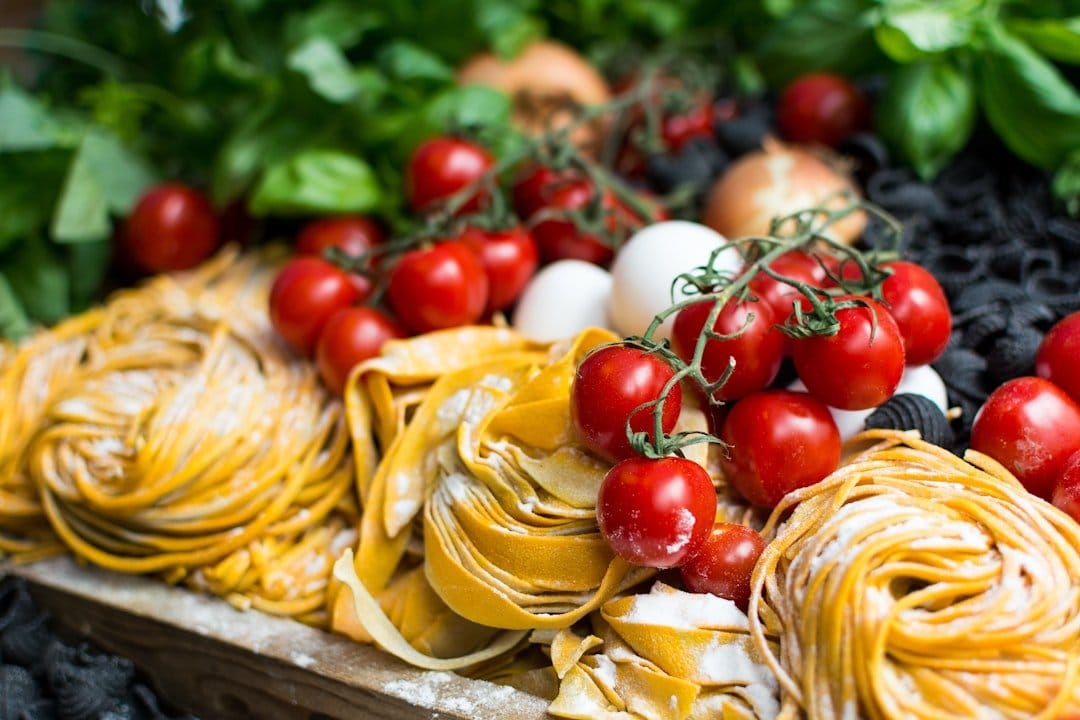
Seasonality Is Also About Texture, Mood, and Whether You Want Crisp Edges
Here’s my hot take: people obsess over ingredients and ignore that texture is often what actually makes a dish feel seasonal.
Yes, tomatoes in August are different from tomatoes in February. Groundbreaking. But seasonal Italian cooking is also about method. Spring and summer want things that are raw, blanched, grilled, quickly dressed, barely touched. Fall and winter want things baked, braised, layered, slow-cooked, crisped at the edges until the corners basically become their own food group.
That’s why the contrast between a spring potluck full of salads and herbs and a tray of sheet-pan baked pasta is so useful. One says, I would like to feel awake again. The other says, give me browned edges, structure, and a reason to wear a sweater. Not just warmth. Crisp. Chew. Resistance. Cold-weather logic.
Italians don’t just swap vegetables and call it a day. We swap the whole vibe. A glossy spring pasta with peas, herbs, and lemon wants to be eaten near a window with a glass of white wine and unrealistic optimism. A baked pasta with crunchy corners and a molten middle wants a table, a sweater, and no urgent plans.
I think this gets missed because ingredients are easier to photograph than appetite. But appetite changes with the season too. In warmer months I want bitter salads, quick pastas, grilled vegetables, things dressed with olive oil and acid. In colder months I want lasagne, beans, ragù, roasted fennel, and anything with crisp edges that suggests somebody loved me enough to leave it in the oven a little longer.
Texture is not a side note. Texture is the whole memo.
Cook Like an Italian, Not Like You’re Completing a Side Quest
If you want to cook more like an Italian, I really do not think the answer is hunting down some hyper-specific ingredient from one village in Emilia-Romagna and posting about it like you discovered fire. Relax.
Start with a much less glamorous system. Shop first. Decide later. Buy fewer things. Pick what looks best. Ask what needs the least fixing. Then do the simplest thing that sounds good. That’s it. That’s the framework. My ancestors did not survive wars, bureaucracy, and regional train delays for you to overthink dinner for 90 minutes.
When I’m busy — which is basically always — this style of cooking saves me from decision fatigue. I don’t need a five-recipe meal plan and a Notion dashboard. I need one good pasta, one vegetable that actually tastes like itself, a wedge of Parmigiano, and the humility to stop there.
My fallback formula is embarrassingly simple: pantry pasta plus one fresh seasonal note. That’s dinner. Maybe it’s penne with tomato and cream plus extra basil when basil is actually good. Maybe it’s spaghetti with butter, lemon, black pepper, and peas. Maybe it’s cannellini beans with olive oil, garlic, and chicory on toast if I’m pretending I’m too evolved for pasta that night.
Also, this matters: ingredient-first cooking is usually cheaper. If you buy what’s abundant, you spend less and get more flavor. Not romantic. Just math. And for people with jobs, kids, deadlines, travel, or a normal level of exhaustion, seasonal cooking is not some idyllic countryside hobby. It’s efficient. Less waste. Fewer decisions. Better odds that dinner will actually taste like something.
The goal is not to cosplay someone’s nonna.
The goal is to pay attention.
The Season Gets a Vote
Maybe the most Italian thing you can do this week is not master cacio e pepe, argue about guanciale online, or hunt down some DOP ingredient like you’re in The Da Vinci Code.
Maybe it’s walking into the store, looking around, and admitting the season gets a vote.
That, to me, is the whole point of seasonal Italian cooking. Not purity. Not performance. Not proving you know the “real” version of a dish. Just paying close enough attention to stop repeating yourself out of habit.
And honestly, that applies to more than dinner.
Some things are great because they’re timeless. Other things are great because you had the sense not to force them past their moment.